July 21, 2022
Citywire recently sat down with Chas Burkhart, CEO of Rosemont, to get his take on the state of RIA valuations amid the sharp decline in equity markets this year.
The RIA industry has seen unprecedented M&A activity over the past few years. Recent PE investors’ valuations of 15x or 20x run-rate EBITDA are based on assumptions that will be significantly strained in the early years of these transactions, Burkhart told Citywire.
Burkhart explained that private equity investors model their targets’ future growth and returns on a host of financial assumptions, namely revenue growth. But much of that growth has been driven over the last 10 plus years by constantly rising markets. Burkhart said there has been “little in the way of truly organic growth.”
The surge in valuations “is setting a very dangerous precedent that has great risk of being unwound,” Burkhart said.
Click here to read the entire article in Citywire
July 14, 2022
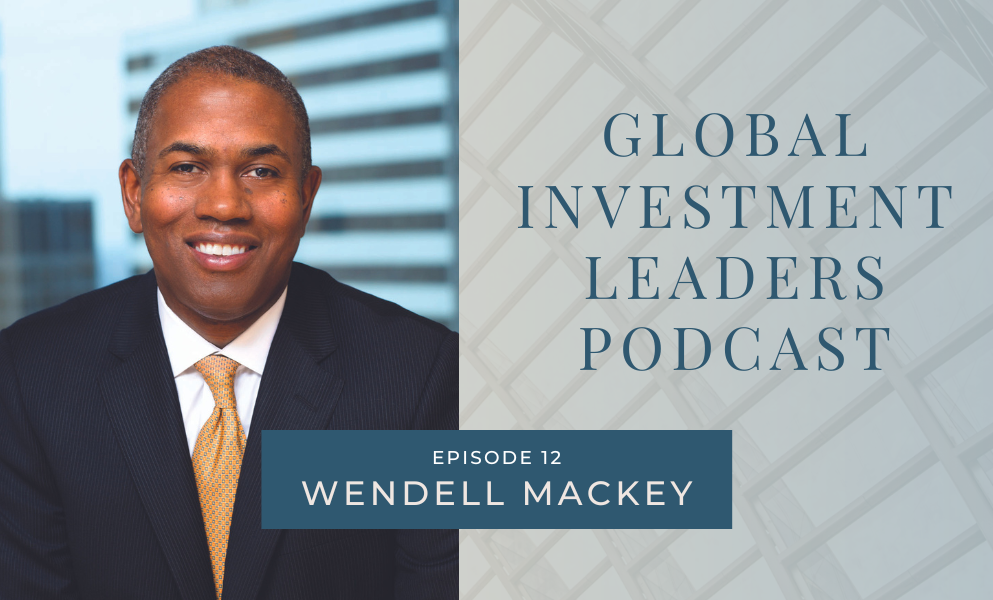
In this episode of the Global Investment Leaders podcast, Rosemont CEO Chas Burkhart is joined by Wendell Mackey, CFA, who is a founder, co-CEO and CIO at Channing Capital Management, a $4B* institutional asset management firm founded in 2003 and known for its flagship small-cap strategy.
Having long been a capacity-constrained U.S. equities manager, Channing Capital launched Channing Global in 2017 to advance its focus on discovering attractively valued, high-quality companies on a worldwide basis. With over 24 years of investment experience, Mackey attributes Channing’s success in part to “being who we say we are and having the proof to back it up – proof in the numbers, proof in the patterns and characteristics, proof in the messaging – and running the business right.”
Throughout their conversation, Burkhart and Mackey discuss:
- Mackey’s background and how he came to found Channing
- Channing’s unique perspective as a long-tenured and successful minority-owned and led asset management firm
- The importance of building strong relationships, particularly for the next generation of up-and-coming investment managers
- The challenges and considerations for emerging investment managers and where to turn for advice on starting, growing and operating a sustainable investment firm
Thinking about Channing’s future, there are three key components Mackey keeps top of mind: Serving clients well and delivering long-term performance, continually investing in technology and creating a dynamic and successful team. “You don’t ever want to get too comfortable that your strategy is bulletproof,” Mackey cautions. “You want to take an honest look to make sure you are who you say you are or uncover where you need to make some modifications to stay competitive.”
All episodes of the Global Investment Leaders podcast are available on Apple Podcasts, Spotify, Google Podcasts and more. Receive the episodes as soon as they premiere by subscribing today.
*Channing Capital Management’s AUM at the time of recording
June 23, 2022
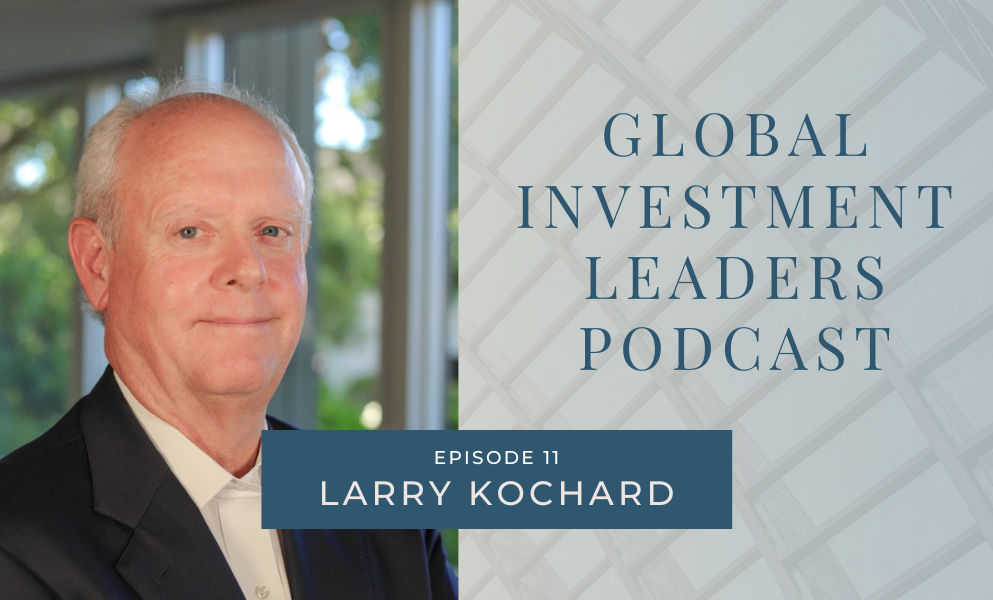
In this episode of the Global Investment Leaders podcast, Rosemont CEO Chas Burkhart is joined by Larry Kochard, Chief Investment Officer at Makena Capital Management, a $20 billion* OCIO serving endowments, foundations, family offices and institutions.
During their conversation, Kochard discusses his professional background, including roles as CEO and CIO of University of Virginia Investment Management Company, CIO at Georgetown University, and Managing Director of Equity and Hedge Fund Investments for the Virginia Retirement System. With a PhD in economics, Kochard also taught at the University of Virginia after spending the early part of his career in capital markets at Goldman Sachs and corporate finance at Fannie Mae and DuPont.
Throughout their conversation, Kochard and Burkhart discuss:
• What differentiates Makena from other OCIO firms
• The differences and similarities between leading endowments vs. leading an OCIO
• Kochard’s six core investing principles, from being a true long-term investor, to finding your edge, to knowing “when to get off the bus” and walk away from an investment
• The importance of balanced diversification, the risk of over-diversifying the source of alpha and how Kochard views the role of public and private assets in a portfolio
• The competitive landscape of the OCIO industry and Kochard’s insights on the up-and-coming generation of investment leaders
All episodes of the Global Investment Leaders podcast are available on Apple Podcasts, Spotify, Google Podcasts and more. Receive the episodes as soon as they premiere by subscribing today.
*AUM at time of recording
June 8, 2022
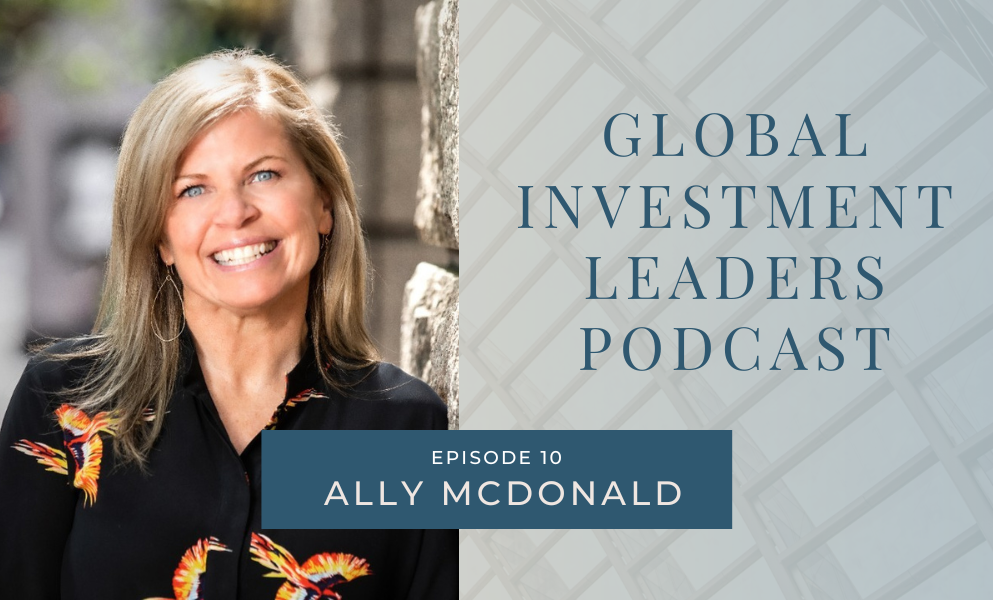
Ally McDonald, CEO of Boston Common Asset Management, joined Rosemont CEO Chas Burkhart on the latest edition of the Global Investment Leaders podcast. From her perspective leading the $5 billion* employee-owned, ESG-focused, active global equities manager, McDonald discusses how a commitment to people, purpose and the planet can benefit society and shareholders alike.
With extensive experience in traditional investment settings, McDonald has become an accomplished leader in the ESG investing space. Starting her career in financial services in marketing and sales, McDonald moved into leadership roles, which led to an opportunity to focus on philanthropy and investing. Proving to be a pivotal experience, it was through her leadership role at Fidelity Charitable that McDonald fully embraced her passion for “doing well by doing good” and honed her skills for creating efficiencies and growing businesses with impact.
“I decided that the intersection of investing and social good is where I was going to spend the rest of my career,” McDonald tells Burkhart. “I made a personal commitment to use my skills, experiences and anything I can bring to the table to help deploy more capital toward social good.”
Throughout the conversation, McDonald shares her insights on:
- The growth Boston Common has experienced as interest in ESG has grown, demand for authentic ESG managers has risen, and endowments and foundations have placed increased emphasis on aligning their work with their investments
- How Boston Common weaves ESG factors into its investment process and its company DNA
- Leading the firm as a woman and how having a truly diverse workforce creates a competitive advantage
- How everyone can contribute to increasing female presence in the leadership pipeline in the male-dominated investment industry
- The importance of being authentic in the ESG and impact world as interest increases and green-washing is becoming ever-more prevalent
- The ownership decision that allowed Boston Common to remain both a majority employee-owned and female-owned firm
All episodes of the Global Investment Leaders podcast are available on Apple Podcasts, Spotify, Google Podcasts and more. Receive the episodes as soon as they premiere by subscribing today.
*AUA at time of episode release
May 26, 2022
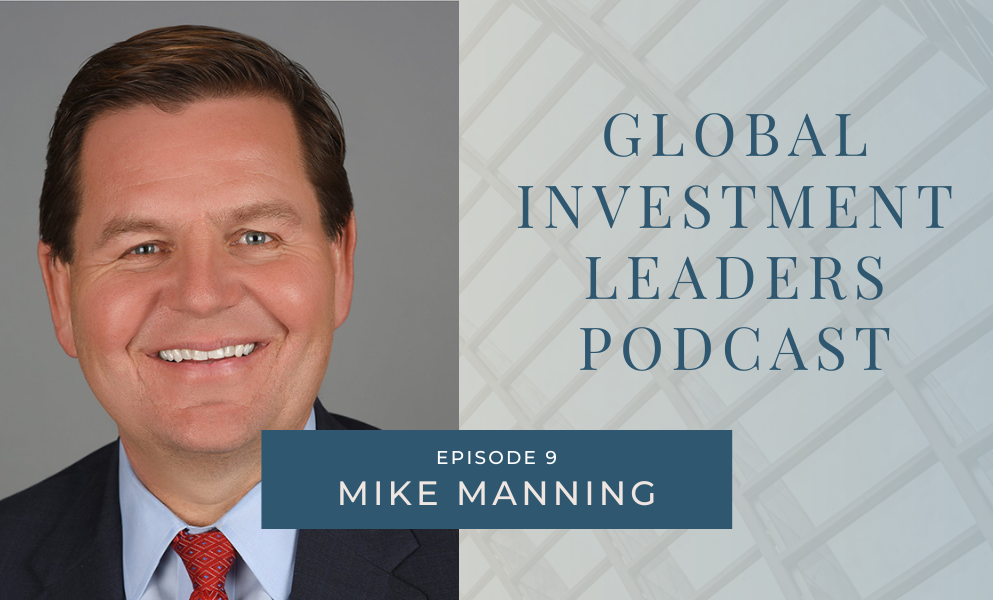
This episode of the Global Investment Leaders podcast features Mike Manning, CFA, CAIA, the managing partner at NEPC, a full-service global investment consulting firm. Manning shares his insights with Rosemont CEO Chas Burkhart on the firm’s evolution since its founding in 1986 and its positioning for the future.
“You do right by the clients, you set up the company in a way that you can be as independent as you can from conflicts of interests, and you think broadly about clients’ investment portfolios. If you do that right, your business will grow,” Manning shares. Manning also discusses the firm’s focus on its people, from attracting and retaining talent to preserving the culture of employee ownership through the sustainable and fluid transfer of equity to the next generation of leaders.
Throughout the conversation, Burkhart and Manning discuss how NEPC runs its business in the same way it advises its clients to operate. This includes being:
- Disciplined about how much the firm will extend itself
- Diversified across all segments
- Dynamic, being nimble and opportunistic whether it’s adding new talent, services or client segments
One such example of being dynamic was NEPC’s decision to build a team to serve the private wealth market, which was historically underserved by independent, institutionally minded consulting firms. Manning credits NEPC’s ownership structure, without quarterly earnings or outside owners to consider, with the ability to make that investment over many years.
Finally, Manning and Burkhart discuss the current investment landscape and the themes that Manning and his firm are following for their clients. These include:
- The forward-looking returns in the public markets, which are unlikely to be sufficient to help clients meet their objectives
- Opportunities in private markets and illiquid investments, particularly in private debt, due to its attractive risk profile and cash flow
- Investing to compensate for rising inflation
All episodes of the Global Investment Leaders podcast are available on Apple Podcasts, Spotify, Google Podcasts and more. Receive the episodes as soon as they premiere by subscribing today.

Recent Comments